– Our response to the global mental health crisis
(Photo: Ani Sarpe)
Having been on both sides of the mental healthcare system, from patient to peer supporter/guide, and after hearing countless stories from the people I work with about experts getting it “wrong,” I’ve noticed a big gap in the mental health support services out there. And I mean huge.
That gap is experience.
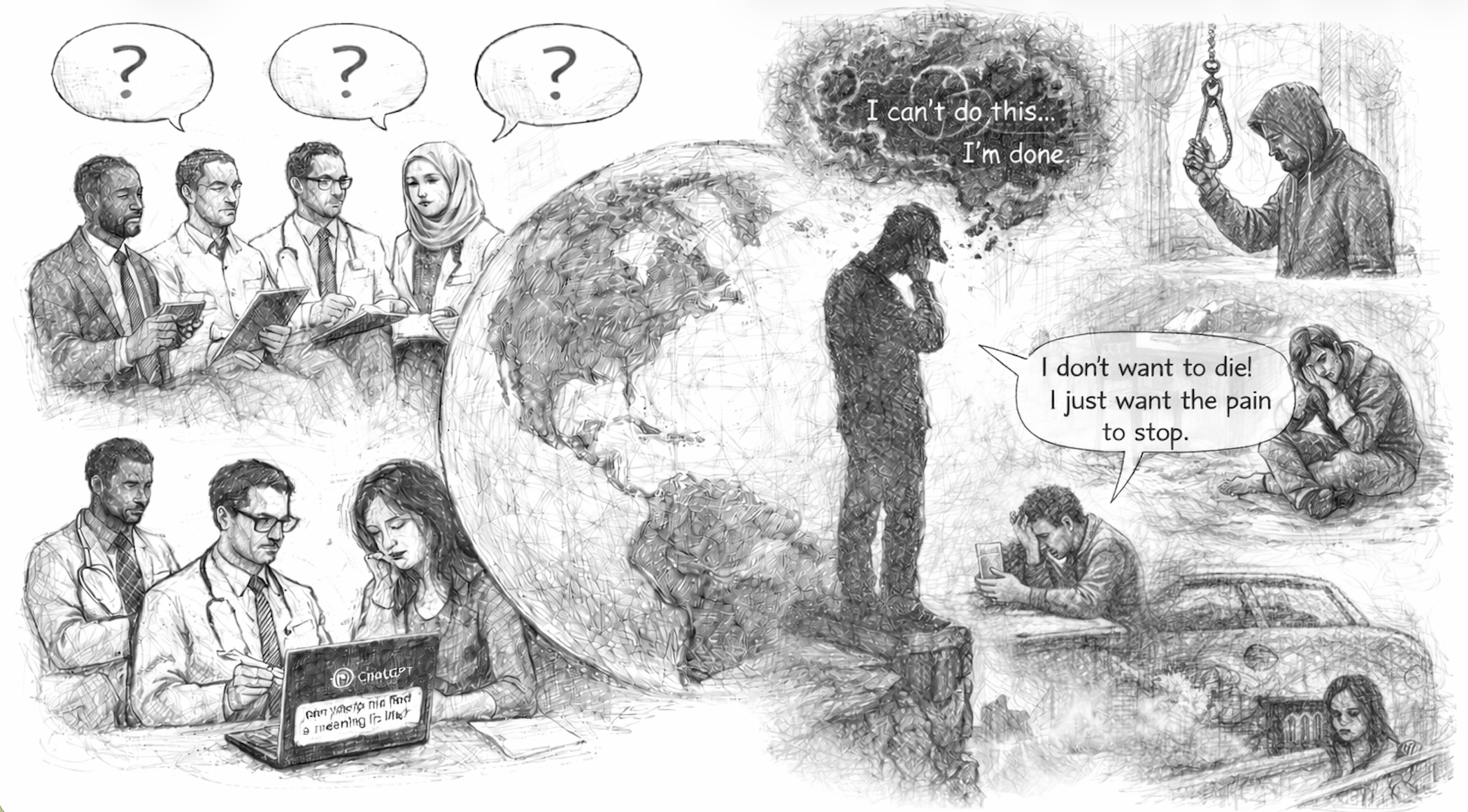
This journey began when a client asked me why, with the growing number of psychologists, psychiatrists, therapists, counsellors etc., the number of people struggling is going up, not down.
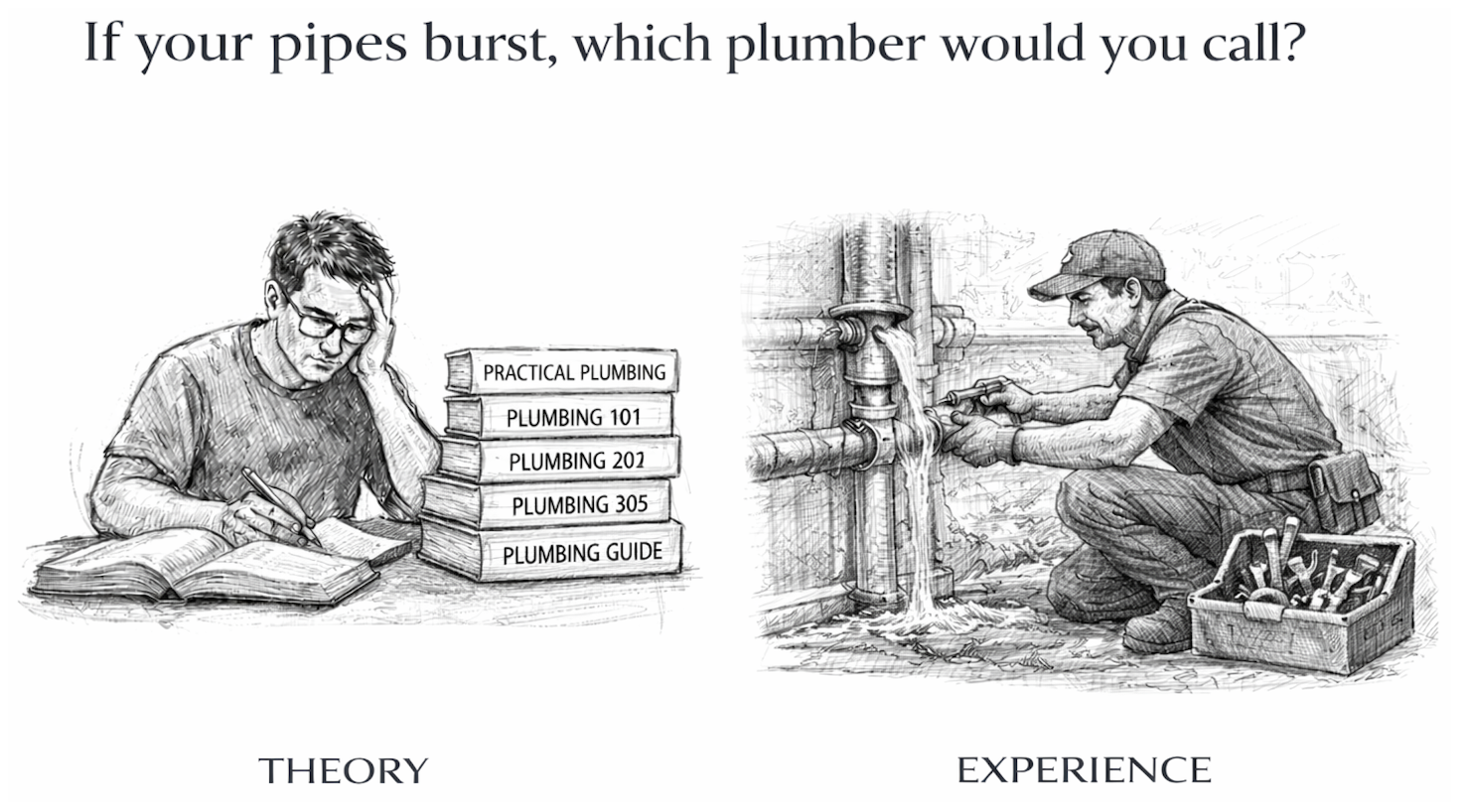
“The system isn’t working,” he said, “and learning about mental health from books isn’t enough.” That conversation affected me because it echoed what I’ve seen time and time again.
Reading, studying and collecting qualifications and degrees matters, but it isn’t enough on its own. If it were, with more mental health professionals than ever before, self-deletion numbers wouldn’t be rising. But they are. So something is clearly missing in the support currently available to the masses.
How do you get through day to day with a serious mental health condition in a world that isn’t built for it? What’s it really like to lose everything and rebuild from the ground up? Or to see, hear or experience things others don’t? Those are pieces you can’t learn in a lecture theatre.
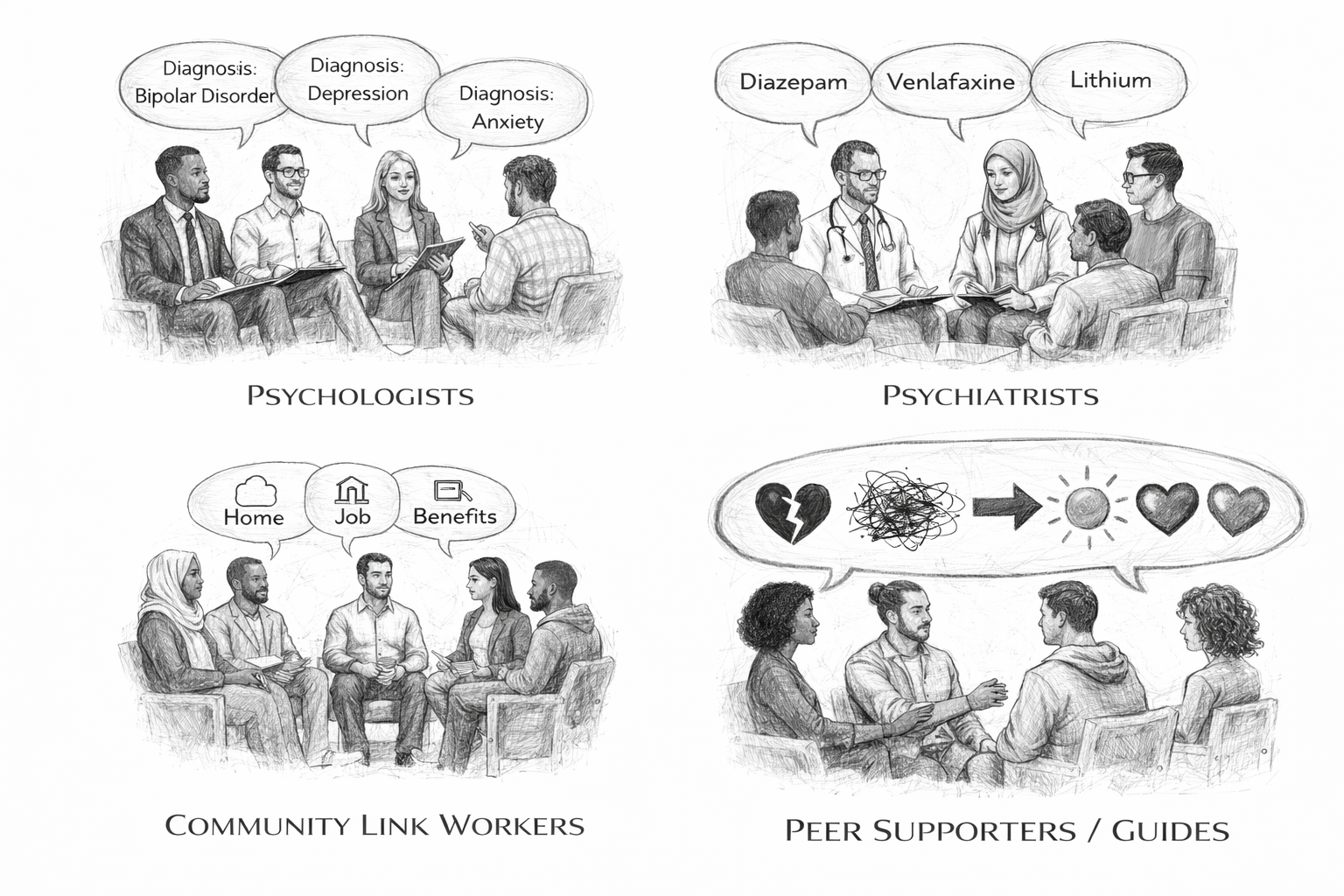
What I’ve found, both personally and professionally, is that the most effective recovery support often comes from a combination of pillars working together. One “perfect” professional rarely covers everything. The winning strategy, when someone is truly in the depths, is usually a blend of clinical support, practical life support, and lived-experience guidance.
A psychologist can help you understand patterns, diagnoses and frameworks. A psychiatrist can support with medication where appropriate. A community link worker can help with benefits, housing, employment etc. But peer support is often the missing piece that helps someone manoeuvre out of that dark place inside their own mind into emotional stability, day by day, moment by moment, with someone who genuinely gets it.
Because nothing beats experience. A diagnosis and medication can be life-saving tools, but without practical emotional guidance, the journey can still feel impossible, lonely and confusing. And that’s where lived experience becomes a form of expertise crucial for a successful and long-lasting recovery.
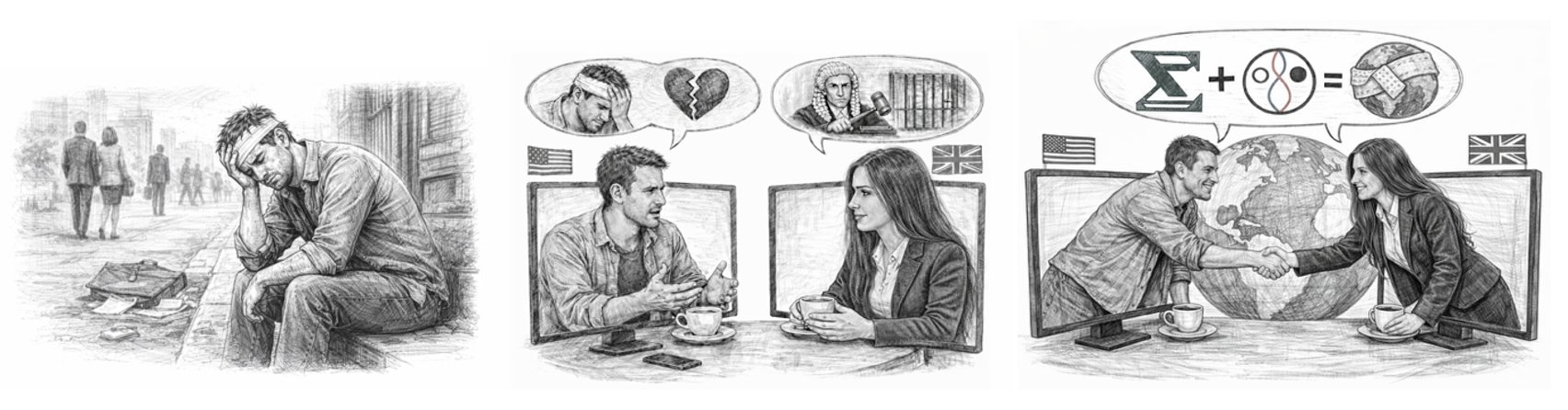
When my path crossed with someone overseas who found my profile online, he shared a story that stayed with me. A few years ago, he sustained a serious concussion that changed his life drastically and permanently, forcing him to learn how to function in society under completely new and difficult circumstances. He searched the ends of the earth for someone who truly shared that specific lived experience, tried various official routes for help, and discovered that while traditional advice is valuable, it can’t fill the unique void left by a lack of genuine, shared understanding.
That insight sparked in him the creation of a platform designed to bridge this gap between those navigating hardship and those with the hard-earned wisdom of having been there before. When we shared our stories and he told me his vision of building an online base for individuals led by lived-experience expertise, called Experience Knows, and asked me to join his mission which totally aligns with mine, it was a no-brainer. And now, here we are, ready to help.
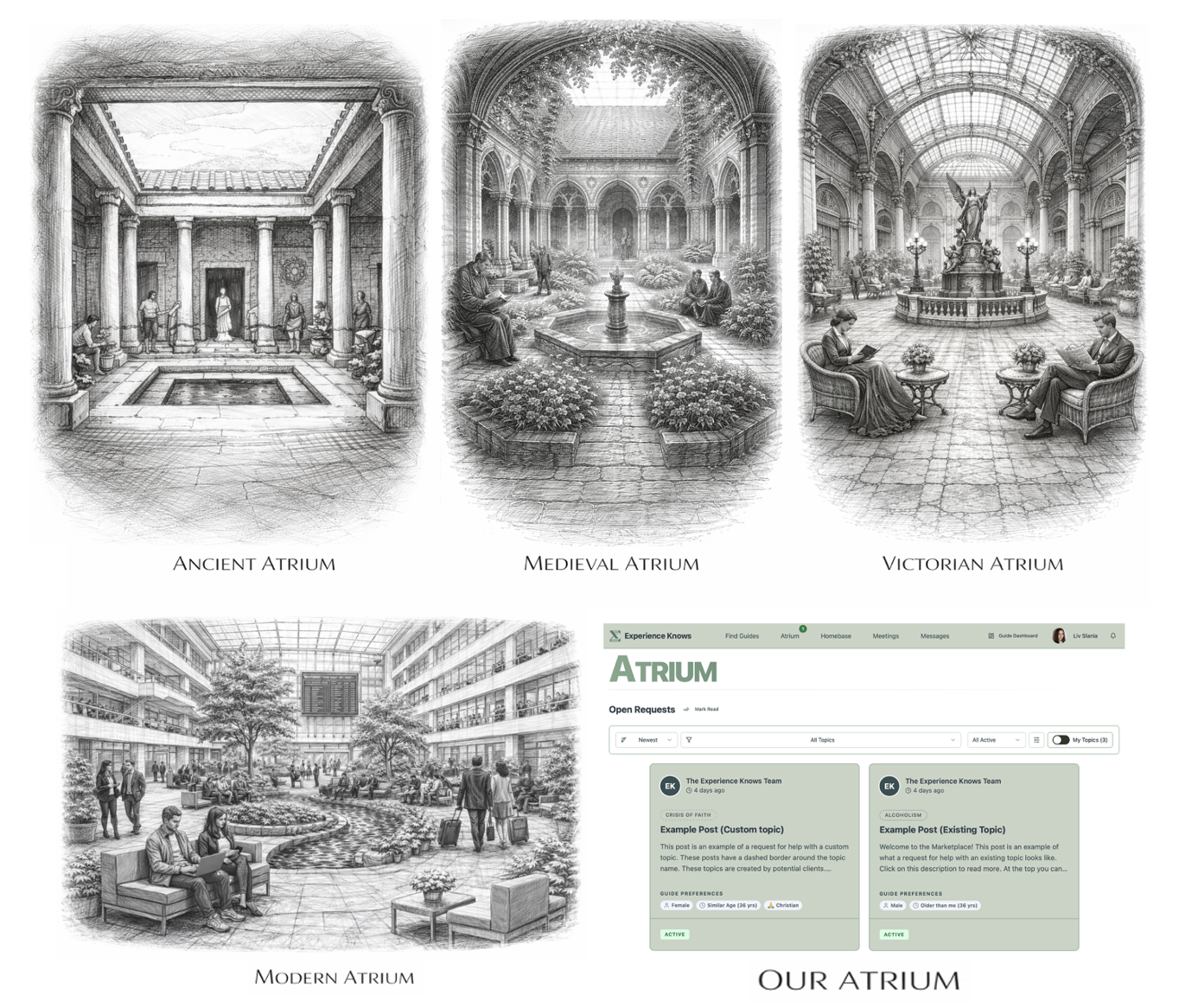
With the global mental health crisis worsening, Experience Knows created the Atrium as part of our “Small Buck, Big Change” initiative – meaningful mental and emotional support that is accessible, affordable and available when you need it. Not next month. Not next time. Not next pay cheque. Now.
Created by people, for people, the Atrium is an interactive space where prospective clients can share what they’re going through via written message or audio/video if speaking feels easier than typing, and hear directly from guides who are ready to assist – those who’ve been in their shoes, come out the other side, and are experts by experience.
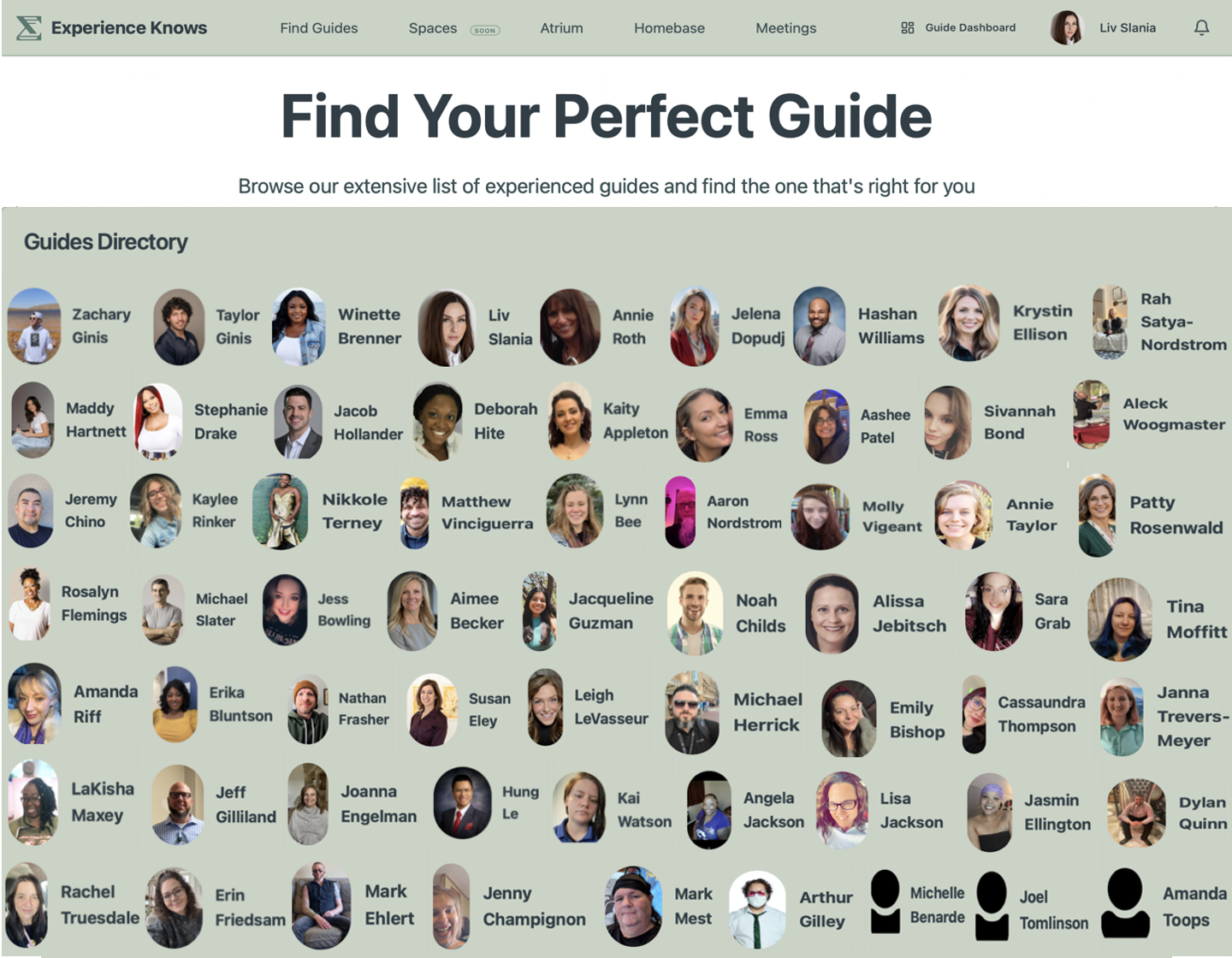
Clients can then choose the guide who feels like the right fit.
People can also search through all guides as usual, but to reduce the guesswork – especially for those who haven’t found what they’re looking for yet – they can now make a post in the Atrium describing their situation. Qualified guides can then step forward and explain how they can support them.
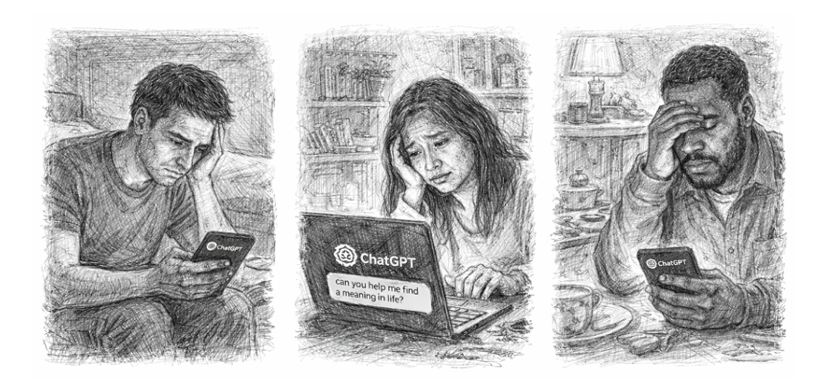
I’ve heard multiple stories of vulnerable people telling me they confide in ChatGPT for advice because it’s free or cheap and convenient. We’ve tried to build something that is also free or cheap and convenient, but person-centred and led by real people with real stories of overcoming obstacles. Because an algorithm can only go so far – then you need human connection and experience. We’ve been where our clients are, we’ve climbed out, and we can show you how.
Because if we did it, you can too.
This is available for everyone – not only those struggling financially, but also anyone who, alongside therapy or other support they’ve received so far, wants to try something different. I’m honoured to be one of the OG guides at Experience Knows, united with like-minded individuals, working alongside the other guides toward one goal: to help those in need.
If this resonates with you, or you know someone who might benefit from it I am currently offering the first session free when you book through Experience Knows.
This is a special introductory offer and won’t always be available.
Please don’t hesitate to get in touch or share this with anyone who may find it helpful. Who knows – you just might save a life. <3
“If each of us helped just one person,
there’d be no one left to help.” – Czesław Słania